Camera at Ten Paces: A UK Guide to Doorbell Disagreements
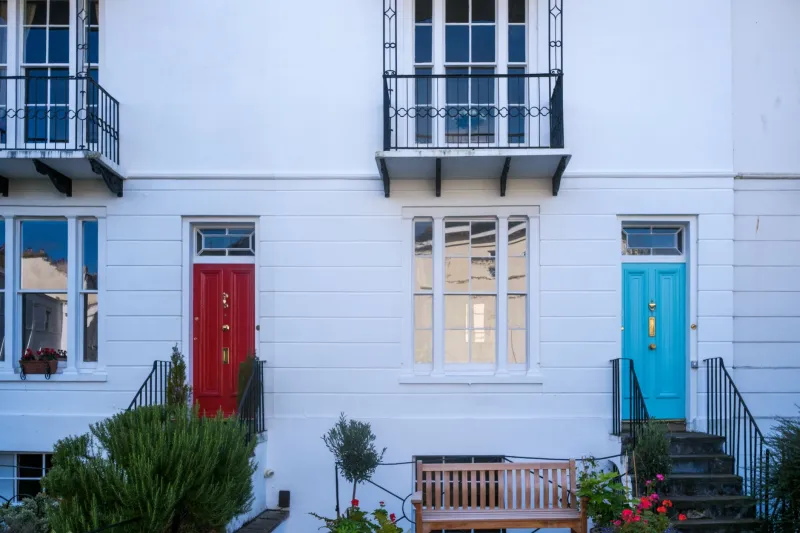
There's a particular kind of British awkwardness that arrives when you nip out to put the recycling in the bin store and notice a small white doorbell camera swivelling towards you. It might be nothing more than a gadget-loving neighbour keeping an eye on parcels. But doorbell cameras are no longer niche: they are wide-angle, night-vision, often audio-recording, and frequently pointed at the bit of pavement where your wheelie bin lives. So what are the rules in the UK, and what can you actually do about it?
The household exemption is not a force field
Lots of people assume that because a camera is on a house, data protection law does not apply. There is a grain of truth there. The UK GDPR and the Data Protection Act 2018 contain a household exemption for purely personal or household activities. If your camera only covers your own garden and never captures anyone outside your household, you are probably in that territory.
The trouble starts at the boundary. The Information Commissioner's Office, or ICO, has been clear that domestic CCTV and video doorbells can fall outside the household exemption when they capture images or sound beyond the property line, especially public pavements, shared driveways, neighbours' doors or gardens. At that point you are processing other people's personal data, and the usual principles apply: use it fairly, keep it to what you need, don't keep it forever, and be open about what you are doing. A doorbell that sees your neighbour's front door every time they come home is not just a bit of home security.
What counts as 'beyond the boundary'
This is where it gets practical rather than philosophical. A camera angled at your own doorstep is one thing. A camera angled across a shared path, at a neighbour's bin store, or into a communal hallway is another. Wide-angle lenses make this worse because they can capture more than the owner realises. Night vision can also pick up more than expected, and audio is often overlooked: a doorbell that records conversations on the pavement is capturing more than pictures.
The test is not simply whether someone is in a public place. The ICO looks at whether the processing is proportionate and whether people would have a reasonable expectation of privacy in that spot. A front door on a terraced street is not a private bunker, but neither is it fair game for constant recording by next door. If the camera is capturing people going about their business and the owner has not thought about angle, retention or notices, that is a problem.
If you are the one on camera
You have rights over your own personal data. If a neighbour's doorbell has captured you, you can make a subject access request. That sounds formal, but it can be a short email or note. Something like: 'Please send me any footage of me captured by your doorbell camera between these dates.' You may need to give enough information for them to find it, such as dates and times. In most cases they should respond within one month, though complex requests can take longer.
They can blur or redact other people in the footage, and they do not have to hand over material that includes someone else's data without consent. But they cannot simply ignore you because the camera is on a house. If they refuse, or fob you off, you can complain to the ICO. The ICO is not a neighbourhood mediation service and will not award you compensation, but it can give advice and may take action in serious cases. For a one-off dispute, a calm written request often does more than a formal complaint.
If you own the camera
Start with the view from the pavement. Stand where your neighbour would stand and look at what your doorbell actually sees. Then adjust. Most decent doorbells let you set privacy zones or mask off areas, so you can blank out next door's door, window or bin store. Turn off audio if you do not need it. Set recordings to overwrite after a sensible period, such as a few days or a couple of weeks, unless you have a specific reason to keep something. Put up a small notice if the camera captures beyond your boundary: 'This camera records images and sound. For queries, contact...' It is not a legal magic spell, but it shows you have thought about it.
Do not post footage of neighbours on local Facebook groups or WhatsApp chats. That can turn a minor disagreement into a data protection complaint, or worse. If you need footage for a genuine incident, keep it secure and share only with the police or your insurer as appropriate.
The polite chat first
Before anyone reaches for the ICO forms, try a conversation. Choose a time when neither of you is wrestling a bin bag. Lead with the practical: 'I noticed your doorbell seems to cover our front path. Could we look at the angle together?' Ask to see the live view on their phone. Suggest a privacy zone. Most people are not setting out to surveil the street; they bought a gadget and pointed it at the door. A five-minute chat can solve what a formal complaint would freeze into a feud.
Keep a short note of what was said and when. If the camera stays pointed at your door and you have asked politely, that record matters later.
When to escalate
If talking fails, consider a local mediation service before a formal complaint. If the camera is being used to harass you, or you feel you are being monitored in a way that goes beyond ordinary doorstep security, contact the police. For data protection issues, the ICO is the regulator. A solicitor can advise on a specific dispute, but that is usually a last resort.
The bottom line
Doorbell cameras are not illegal, and neither is wanting to know who is at your door. But a camera that sees too much, keeps footage too long and ignores the neighbours is not clever home security. It is a data protection problem with a chime. Aim for proportionate: angle it at your own doorstep, mask what you do not need, tell people what you are doing, and talk to next door before the bins go out. This is general information, not legal advice.